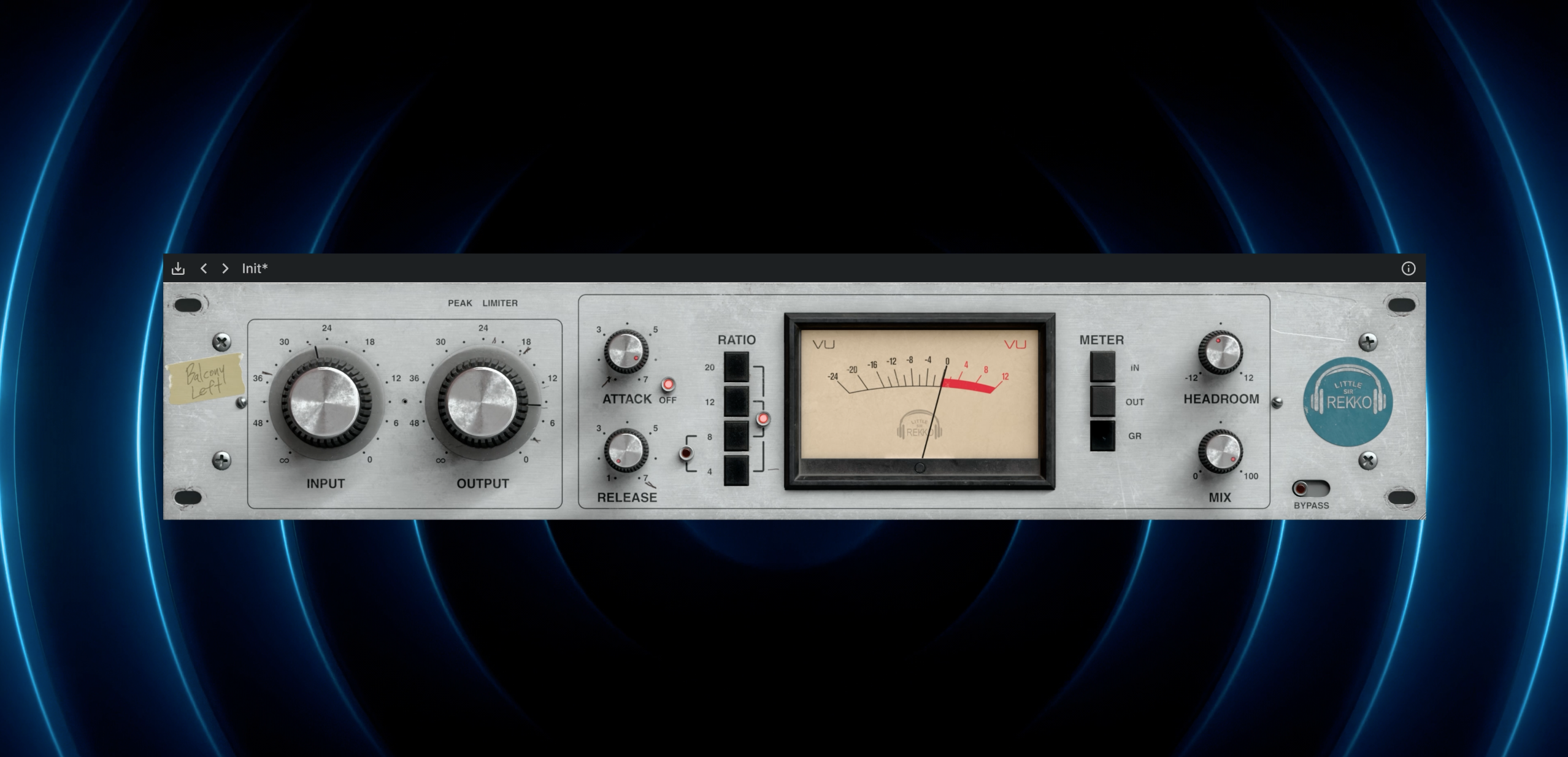
Balcony Left
Greg Wells’ personal compressor, faithfully captured in software
Bring a trusted studio sound into your modern workflow.
A Compressor with a History
Some pieces of hardware quietly become part of an engineer’s identity.
For Greg Wells, that piece was a compressor he reached for on every mix, trusted not for what it did on paper, but for how it made music feel.
Balcony Left captures that relationship. Modeled from Greg’s personal studio unit, it delivers the musical response, immediacy, and character he relies on every day, while staying fast, intuitive, and focused on the song.
The Balcony Left Sound
What makes Greg’s trusted compressor so musical.

One-of-a-Kind Hardware Personality
Modeled directly from Greg’s personal studio unit, whose sound was shaped by decades of use and component aging, resulting in a tone that cannot be found in any other revision or plugin.
Authentic Analog Response
Non-linearities, transformer coloration, and gain-stage behavior are captured in detail to preserve the musical feel and response Greg relies on in real sessions.
Artist-Driven Workflow
Greg’s own presets and musical default settings help you work quickly, stay in flow, and focus on the music rather than the controls.
Modern Production Flexibility
Oversampling, mix and trim controls, a scalable interface, and efficient CPU usage support modern sessions without compromising feel or tone.
The exact sound Greg trusts on every mix, now available to everyone.
Full Walkthrough
Join Greg Wells as he walks through how Balcony Left fits into his real-world mixing process. From vocals and drums to subtle mix glue, Greg demonstrates how he uses the compressor instinctively, focusing on feel, emotion, and musical response rather than technical complexity.
- Greg’s go-to vocal settings and how they enhance emotion
- Driving the compressor for impact and energy on drums
- Subtle mix bus techniques that add cohesion without flattening dynamics
Hear the Sound Greg Trusts
Listen to Balcony Left in real-world contexts, using the same approach Greg takes when mixing, musical enhancement without heavy-handed processing.
Vocal Demo
What to listen for: smoother mids, natural presence, and polish without harshness.
Drum Demo
What to listen for: punch, weight, and controlled excitement.
Bass Demo
What to listen for: tightened low end and a stable, focused center.
Audio Demo
Audio demo description
Audio Demo
Audio demo description
Audio Demo
Audio demo description
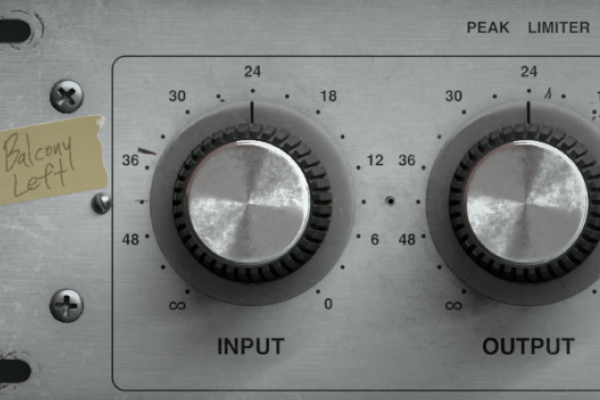
Input and Output
Drive Greg’s original input stage for harmonic depth, then set the output level with musical precision, just as he does in his own mixes.
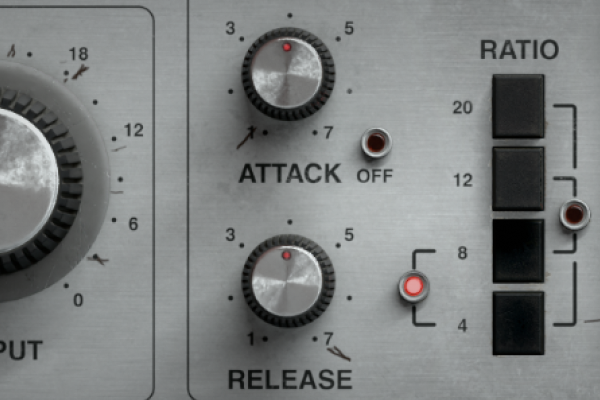
Attack and Release
Shape transients quickly and intuitively, dialing in punch or smooth control while staying focused on feel rather than settings.
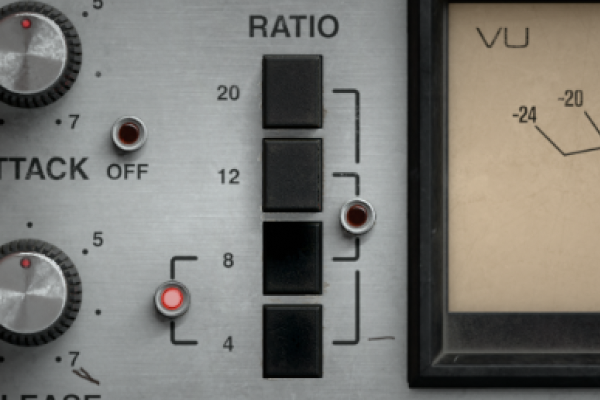
Authentic Ratios
Four classic compression modes modeled from the unique response curves of Greg’s hardware unit, each reacting musically rather than mechanically.
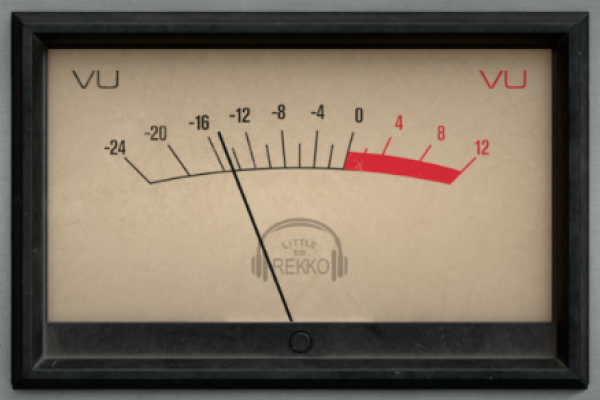
Classic VU Meter
A faithfully modeled VU meter that reflects the musical movement of the signal, encouraging you to listen first and mix with intention.
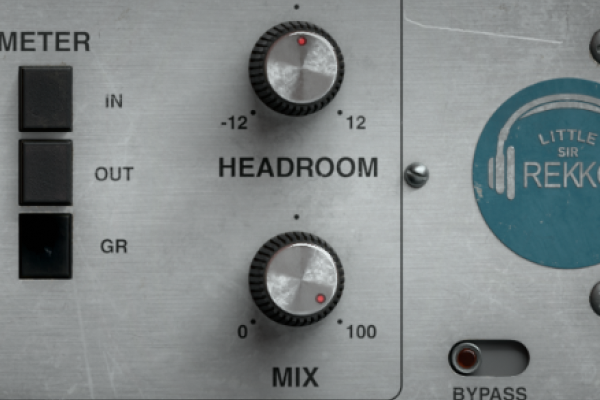
Headroom and Mix
Fine-tune harmonic tone with Headroom, then blend transparent parallel compression using the Mix control without breaking creative flow.
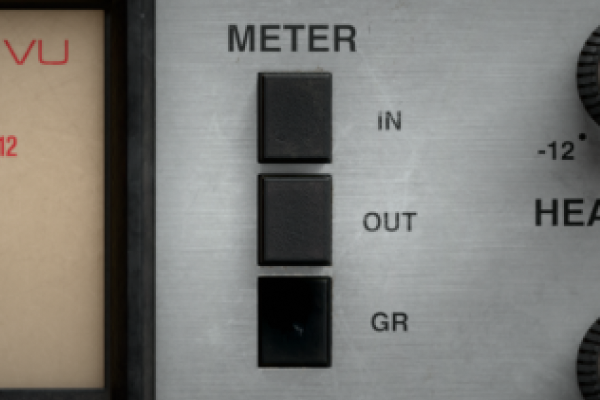
Metering Modes
Instantly switch between input, output, and gain reduction views to make confident level decisions at any stage of the mix.
What Artists and Engineers Are Saying
"I've often said that we don't need more 1176 plugins. I was wrong. Greg Wells' Balcony Left feels different to every 1176 I've ever heard (hardware or software), while still definitely being an 1176. It's awesome to have a different take on something that I've used on pretty much every project I've ever done. Now we just need to unearth Balcony Right..."

Andrew Scheps
Mix Engineer and Record Producer
"All compressors are not created equal. Even ones that are the same model, same vintage, they all have a unique sound. I'm not sure what was going on up on balcony left, but this compressor has a vibe. It excels on vocals, guitars, drums... It really brings some magic."

Joe Chiccarelli
Producer / Mixer
(The Strokes, Morrissey, Weezer, Beck)
The Story Behind Balcony Left
The name Balcony Left comes from the unit’s earliest days, when it lived in a church balcony, used to record or monitor a choir through a PA system. Back then, it likely saw very little gain reduction. Since finding its way into Greg Wells’ studio in the mid-1990s, it has been used far more creatively, shaping countless mixes over decades of work.
When Greg moved to Los Angeles to study piano, he began working with engineers whose names he had seen in liner notes for years. Through long sessions and generous mentorship, he became fascinated with the art of capturing sound. Time and again, when he asked how a particular moment on a favorite record was achieved, the answer was often the same, a classic FET-style compressor.
What set Greg’s unit apart was not just its circuitry, but how it made music feel. Rather than flattening or shrinking a sound, it revealed its character. It enhanced what was already there, adding presence and emotion while allowing the speakers to disappear and the music to take over.
Capturing that experience in software took over a year of careful work. The result is a faithful recreation of the sound and feel Greg has relied on for decades, to the point where even he could no longer reliably tell the difference.
Balcony Left is not about recreating a piece of hardware. It is about preserving a creative relationship and making it available to anyone who values musicality over mechanics.
System Requirements
- macOS 10.13 or later with native Apple Silicon support
- Windows 10 or later
- AU, VST3, and AAX formats
- Internet connection for activation
- 8 GB RAM recommended
Guarantee: Try it risk free for 15 days. If Balcony Left is not the right fit, we will refund your purchase.
FAQs
Find answers to common questions about working with us and our hiring process.
How do I install Balcony Left?
After purchase you will receive a download link and installer. Run the installer. On first launch you will be prompted to authorise your license.
How many devises can I install it on?
You can install Balcony Left on...
Is there a free trial?
Yes. You can try Balcony Left free for 15 days with no feature limitations.
What is your refund policy?
If you are not satisfied within 15 days ofpurchase, we will refund your order. No questions asked.
Which plugin formats are supported?
Balcony Left is available as AU, VST3, and AAX