Blog
Creating Software Instruments of the Future with A Vinyl Bar in Shibuya
The Shibuya team plays through music games and instruments built on playmcp, and explains how to enter their Instruments of the Future challenge.

News
Creating Software Instruments of the Future with A Vinyl Bar in Shibuya
The Shibuya team plays through music games and instruments built on playmcp, and explains how to enter their Instruments of the Future challenge.
Creating Software Instruments of the Future with A Vinyl Bar in Shibuya
Creating Software Instruments of the Future with A Vinyl Bar in Shibuya
Three Things You Can Take Away From This Meetup
- A song can be something you play with, and playmcp is built for making and sharing those playable songs.
- The games people play longest on playmcp are the ones their creators kept reworking over many rounds.
- Audio developers have an opening here, since the team says sound is still the weakest part of most entries.
This meetup brought on the team from A Vinyl Bar in Shibuya, a music software label started by Spotify's former head of innovation. Its releases are small interactive music apps and games, and its newest project, playmcp, is an MCP server and platform for making and sharing music games and playable instruments.
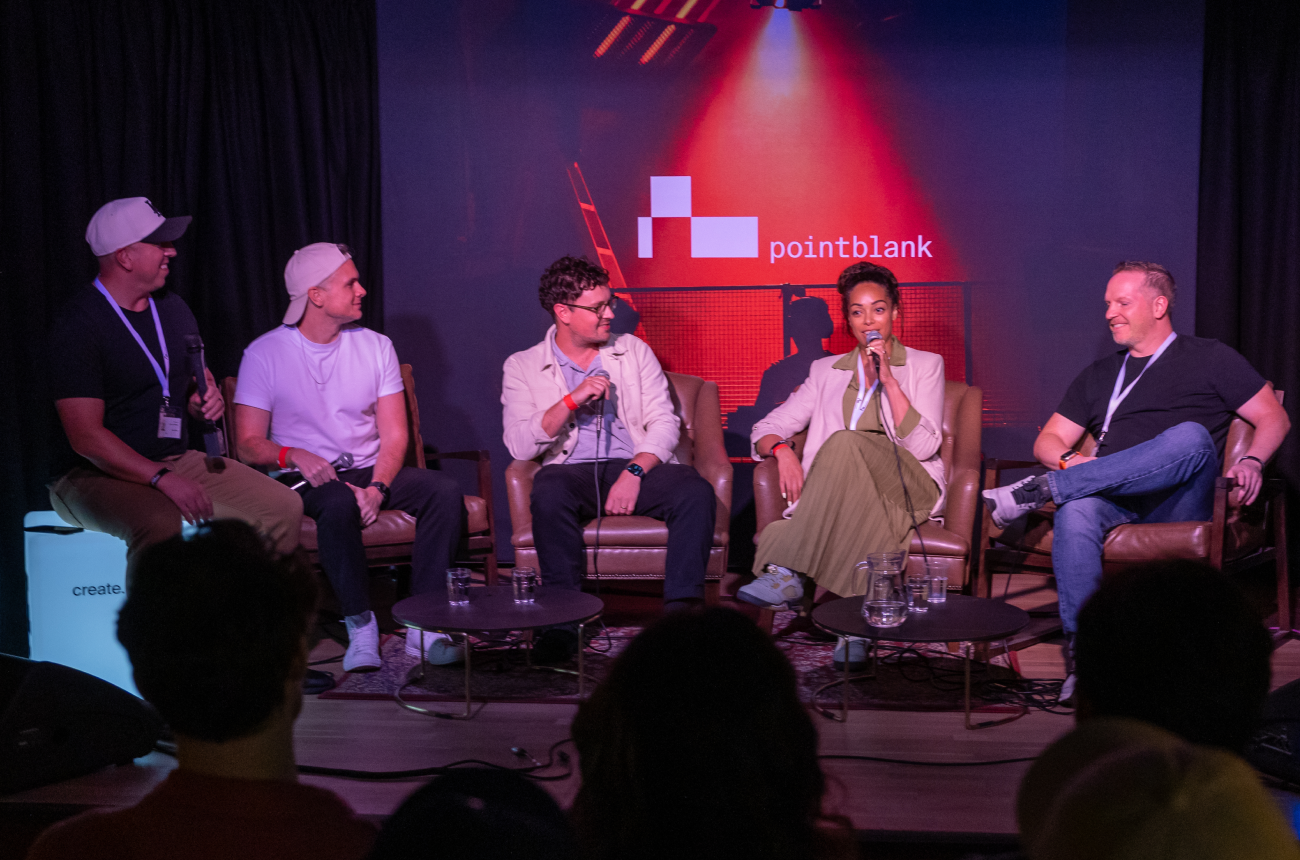
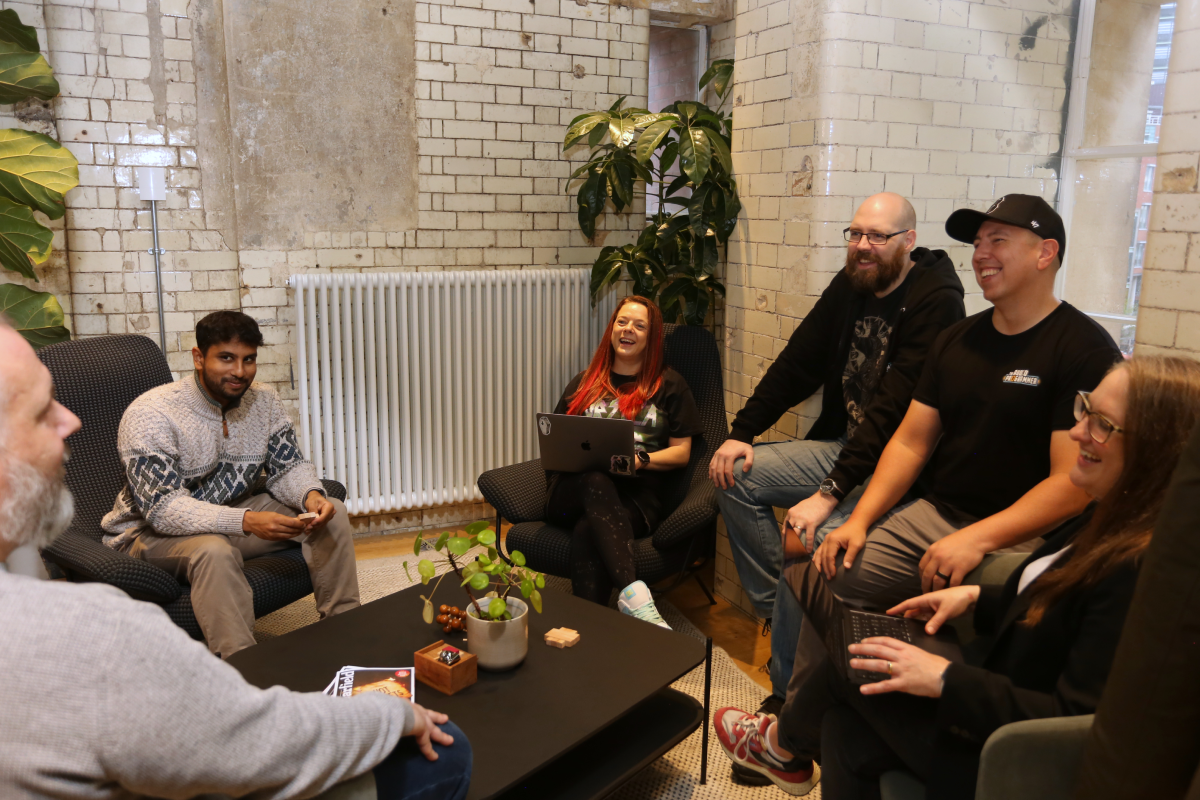
Josh was joined by Natalie Moosher, Arthur, Nick Kaufmann, Jonathan Jiang and Emilio from the Shibuya team. Over 85 minutes they played through games from the community and talked about where interactive music is headed. Shibuya is also running a challenge, Instruments of the Future, with cash prizes and a November 30th deadline.
1. The Next Music Format Is One You Play
Shibuya's bet is that after streaming and short video, music becomes something you interact with. Right now a lot of music ends up in the background of TikTok videos. A playable song asks for your attention again, because you're part of it.
That might be a single released as a little instrument that plays the song's stems, or a game built around a track. These instruments are made for play, and nobody expects you to load them into a DAW and finish a mix. The appeal is the same one that keeps people turning synth knobs for hours just to hear what happens.
2. A Song Already Contains a Game Design
Songs carry a lot of structure: drum patterns, sections, builds and drops. playmcp analyzes a track and turns that structure into a beat map and level design, so a verse can drive one mechanic and the drop another. Chapters on the timeline keep players interested and give creators an obvious place to change things up.
A song also gives a game a start and an end. One of the current challenge leaders follows a clay pot from the wheel to the kiln, with each chapter of the track matching a step. Entries range from pieces you mostly sit back and watch, like trees that grow with the music through the seasons, to instruments you could play over and over. Either way, the game is built on the song.
3. Human Effort Still Decides What's Good
playmcp's own numbers back this up. The games with the longest sessions and the most interaction come from creators who went through many rounds with the agent, sending messages and clarifying what they wanted. One-shot prompts don't hold people's attention.
Jonathan's LARP Drummer shows what that looks like. He built a webcam-controlled drumming game set at a small indie gig in a couple of hours, and the first version had stick figures and a broken drum kit. Round after round he fixed the models, added lighting that changes with each section of the song and got the band pacing the stage during the big riffs.
4. There's No Single Right Way to Work With an Agent
Some creators start rough and refine every round. Others write one long, detailed prompt with a set of rules and let the agent run in loops while they get on with their day. Both approaches turn out good work.
That's why playmcp is an MCP server you plug into the tools you already use, whether that's Claude Code or something else. You can let the agent build everything or bring your own code and tools. It interviews you first, asking which song you want and what it means to you. Nick called this reverse prompting. The team compares the platform to YouTube: make the thing however you like, and playmcp is where it gets shared and played.
5. Agents Fill Skill Gaps, and Teams of Specialists Go Further
An audio developer might be a great DSP engineer and a shaky 3D artist. An agent can cover that gap well enough to present the audio work properly.
Josh also sees an opportunity for teams. The same tools make it easier to bring specialists together, so an audio developer can tighten the gameplay while a 3D artist gets the characters right.
6. Interactive Music Can Be Personal
Some of the most memorable pieces are personal projects. One creator 3D scanned the bridge from Nirvana's "Something in the Way" in Aberdeen, Washington, which is scheduled for demolition, and built a piece where the scan falls apart as the song plays. They described it as a diary. The same idea could preserve a venue that's closing or capture a dream before you forget it.
The format works as promotion too. With so much content out there, an artist could drop a playable teaser for a new song, or use a tool like this to build visuals for a live show.
7. Sound Is the Gap Audio Developers Can Fill
The Shibuya team is open about it: sound is the part they still haven't solved, and they're watching for creators who can. That's an opening for the audio programming community.
playmcp runs anything that works in a web app, so browser-ready libraries are fair game, and you can render audio from tools that don't run in real time and drop the results into a game. A viewer suggested a WebAssembly AudioWorklet starter so C++ DSP could run in the browser without a JavaScript rewrite. Josh pointed to Cmajor, which compiles to the web, and said porting existing C++ DSP to WebAssembly is more doable now than it's ever been. Plugin developers could even use the format to build visual front ends for their work.
8. How to Enter Instruments of the Future
Sign up at playmcp.io and connect the MCP server to your agent. The agent asks which challenge you're entering and walks you through the rest. It publishes from inside the conversation, so there's nothing to export or upload, and you can keep editing your entry until the deadline. The one rule is that people have to be able to jam over a song with your instrument.
Entries close November 30th. Editor's choice wins $1,000, judged on looks, fun and audio. The leaderboard pays $500 for first, $250 for second and $100 for third, ranked by a fun score built from how real people play your instrument and for how long. The formula stays private so nobody can game it. Likes and follower counts don't factor in, so an entry made on the last day can still win.
Closing
Near the end, Josh brought up Freqlab, the platform he announced last week where creators upload their plugins directly. He called it SoundCloud for plugins. Plugins have to run inside tight limits, and he said playmcp leaves room for a much wider range of experiences.
His message for anyone worried about where software is headed: "It's not going to zero. It's going to turn into something. We just don't know what it is yet." Right now most people are using new tools to make the same things they made with the old ones. Within 6 months to a year he expects someone to build something nobody saw coming, and the Shibuya team wants to know who that'll be: the SoundCloud rapper of this format, making something in their bedroom that surprises everybody.
Instruments of the Future challenge: https://playmcp.io/c/instruments-of-the-future
A Vinyl Bar in Shibuya: https://shibuyaaa.com
Freqlab: https://freqlab.co
More Tutorials
We Built a Multi-Player Audio App With AI: Intro to Audiotool Nexus
Nexus is Audiotool's new extension layer that lets a browser-based app read and write a live project in real time, something a traditional VST can't do. Silas Gyger, lead engineer at Audiotool, shows how far an AI agent can take you by building three working apps from scratch.
More Meetups

The Audio Programmer Virtual Meetup | April 9th, 2026 @ 17:00 UK
Jani Huoponen, Scott Kramer, and Claus Trelby explore Eclipsa Audio – Google and Samsung's open-source spatial audio format – and what it means for creators working across music, film, TV, and the open web.