Blog
Why Use a Specialist Recruiter for Music Tech Hiring?
The Audio Programmer gives you access to pre-screened, specialist talent from within the audio development community, without the noise of a standard job board.

News
Why Use a Specialist Recruiter for Music Tech Hiring?
The Audio Programmer gives you access to pre-screened, specialist talent from within the audio development community, without the noise of a standard job board.
Why Use a Specialist Recruiter for Music Tech Hiring?
Why Use a Specialist Recruiter for Music Tech Hiring?
Hiring audio developers is genuinely different from general software recruitment. The roles demand a rare combination of technical depth (C++, DSP, real-time systems) and domain knowledge that most engineers outside the field don't have. Posting on a general job board and hoping for the best rarely works. The candidates who know the space often aren't looking on those boards.
Working with a recruiter who specialises exclusively in audio and music technology changes the process significantly. Here's why.
You Need Someone Who Understands What You're Hiring For
Most general recruiters can screen for job titles and years of experience. Audio development requires more than that.
When you're hiring a DSP engineer, a plugin developer, or an audio software architect, the role comes with specific requirements that take real time to understand: knowledge of filter design, experience with real-time audio constraints, familiarity with JUCE or embedded audio frameworks, and an understanding of latency requirements and thread safety in audio callbacks.
A recruiter who doesn't understand these terms can't effectively screen for them. They'll pass along candidates who look right on paper but lack the technical foundations you need. The Audio Programmer's team understands the audio development space – what these roles actually require, and what separates a strong candidate from an average one.
Access to Talent That Isn't Advertising Itself
The best audio developers aren't always looking. Many are employed at audio companies, plugin studios, or games studios and aren't actively browsing job boards. They might be open to the right opportunity, but they need to be reached through the right network.
The Audio Programmer has spent years building a global community of audio and music technology professionals through courses, content, events, and an active developer forum. That community includes experienced engineers who trust TAP as a credible source of opportunities. When you engage us as your recruiter, you're accessing a talent pool that standard job boards don't reach.
Pre-Screened and Pre-Interviewed
Every candidate TAP puts forward has been pre-screened and pre-interviewed before they reach you. Our team personally conducts an in-depth call with each candidate, covering their technical skills, career motivations, previous work environments, team preferences, and what they're genuinely looking for in their next role.
This goes well beyond a CV review. By the time a candidate lands in your inbox, there's already a detailed picture of who they are – not just what they've listed on a profile. That depth of understanding means the candidates presented are a real match, not a stack of applications that loosely fit the job description.
The screening also covers the technical specifics that audio roles demand:
- C++ depth and real-time programming experience
- Understanding of DSP concepts and how they apply in practice
- Portfolio and GitHub review for real evidence of shipped audio work
- Soft skills and cultural fit for your team
You receive candidates who've already been evaluated against criteria that matter, not CVs that keyword-matched a job description.
Flexible Across Contract and Permanent Roles
TAP places both permanent hires and contractors. Whether you need a senior DSP engineer for a long-term product role, or a specialist contractor for a defined project, the process is the same: a discovery call to understand your requirements, followed by a targeted search.
This flexibility matters in audio, where projects often run to tight timelines and short-term specialist work is common, particularly in game audio, middleware integration, and embedded systems.
Coverage Across the Full Spectrum of Audio Roles
Audio development teams need more than DSP engineers. TAP places across the full range of roles that audio and music technology companies hire for:
- Audio software engineers and plugin developers
- DSP engineers and signal processing specialists
- Embedded systems engineers working with audio hardware
- Game audio programmers
- AI and machine learning engineers for audio applications
- UX/UI, QA, project management, and marketing roles within audio companies
- Executive and leadership positions
Whatever the role, the same principle applies: specialist knowledge of the space produces better candidates faster.
Ready to Find Your Next Audio Developer?
If you're trying to hire audio developers, DSP engineers, or music technology specialists, a general recruiter is a structural disadvantage. The talent pool is specialised, the screening criteria are technical, and the best candidates aren't always visible through standard channels.
The Audio Programmer operates at the centre of the audio development community. Get in touch to start the conversation.
Tessa Rowe
More Tutorials
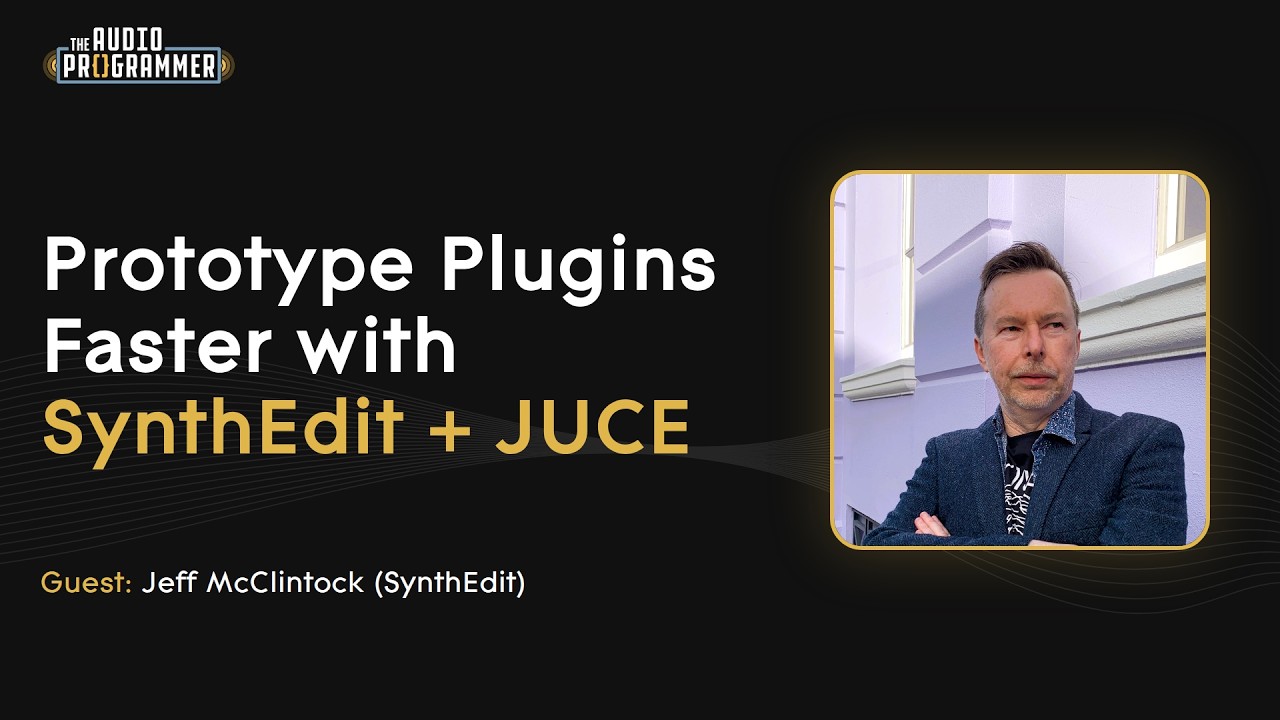
We Built a Multi-Player Audio App With AI: Intro to Audiotool Nexus
Nexus is Audiotool's new extension layer that lets a browser-based app read and write a live project in real time, something a traditional VST can't do. Silas Gyger, lead engineer at Audiotool, shows how far an AI agent can take you by building three working apps from scratch.
More Meetups

The Audio Programmer Virtual Meetup | April 9th, 2026 @ 17:00 UK
Jani Huoponen, Scott Kramer, and Claus Trelby explore Eclipsa Audio – Google and Samsung's open-source spatial audio format – and what it means for creators working across music, film, TV, and the open web.